
Carrier Infinity thermostats offer advanced climate control, but occasional issues arise․ This manual provides a comprehensive guide to diagnose and resolve common problems efficiently, ensuring your comfort․
What is a Carrier Infinity Thermostat?

The Carrier Infinity thermostat represents a significant leap in home comfort technology․ Unlike traditional thermostats, the Infinity series utilizes sophisticated algorithms and learning capabilities to optimize your HVAC system’s performance․ It’s designed to work seamlessly with Carrier’s high-efficiency furnaces and air conditioners, offering precise temperature control and enhanced energy savings․
These thermostats aren’t simply programmable; they adapt to your lifestyle, learning your heating and cooling preferences over time․ They feature a user-friendly interface, often with touchscreen controls, and can be remotely accessed via mobile apps for convenient management․ The Infinity system also provides detailed diagnostics, displaying fault codes to pinpoint potential issues within your HVAC system, making troubleshooting more efficient and accurate․
Why Troubleshooting is Important
Effective troubleshooting of your Carrier Infinity thermostat is crucial for maintaining a comfortable and efficient home environment․ Ignoring early warning signs, like unusual behavior or displayed fault codes, can lead to more significant and costly HVAC system failures down the line․ Prompt diagnosis can prevent minor issues from escalating into major repairs, saving you both time and money․
Understanding basic troubleshooting steps empowers you to address simple problems independently, potentially avoiding unnecessary service calls․ Furthermore, accurately identifying the issue allows HVAC technicians to perform targeted repairs, reducing diagnostic time and ensuring a quicker resolution․ Regularly addressing concerns also optimizes your system’s performance, maximizing energy savings and extending its lifespan․ Don’t delay – proactive troubleshooting is key!

Decoding Carrier Infinity Fault Codes
Carrier Infinity fault codes are vital diagnostic signals, pinpointing HVAC system malfunctions for quick and efficient repairs, ensuring optimal performance and comfort․
Understanding Fault Code Displays
Carrier Infinity thermostats communicate system issues through fault codes displayed directly on the control panel․ These aren’t random numbers; they’re specifically designed signals indicating a problem within your HVAC system․ Recognizing how these codes appear is the first step in effective troubleshooting․ Typically, the thermostat will show a two or three-digit code, often preceded by a flashing indicator․
The display method can vary slightly depending on the specific model, but generally, the code remains visible until acknowledged or cleared․ Some models might cycle through multiple codes if several issues exist simultaneously․ It’s crucial to note the exact code displayed, as even a slight variation can point to a different underlying problem․ Referencing a comprehensive list of codes (like those found in this manual) is essential for accurate interpretation and subsequent repair efforts․ Don’t ignore these signals – they’re your system’s way of asking for help!
Accessing Service Info on Your Thermostat
To delve deeper into diagnostic information, your Carrier Infinity thermostat offers a dedicated “Service Info” mode․ This feature allows you to view a detailed system check, revealing potential faults and their corresponding codes․ Accessing this mode typically involves using the thermostat’s scroll and selection buttons․
Navigate through the menu options until you highlight “Service Info,” then press the right-side button to select it․ The screen will then initiate a system check, displaying each component as it’s tested․ Alongside each item, any associated fault codes will be shown, providing valuable insights into system malfunctions․ This mode is incredibly useful for pinpointing the source of a problem, offering a more granular level of detail than simply observing the initial error display․ Remember to consult the code list for accurate interpretation․

Common Carrier Infinity Thermostat Error Codes & Solutions
Decoding Carrier Infinity error codes is crucial for swift repairs․ This section details frequent issues like communication errors, sensor failures, and equipment detection problems․
Code 178: No Device Detected ー Causes & Fixes
Code 178 on a Carrier Infinity thermostat signals a critical communication breakdown – the thermostat isn’t recognizing connected HVAC components․ Several factors can trigger this․ First, meticulously inspect all wiring connections between the thermostat and the indoor/outdoor units; loose or corroded wires are prime suspects․
Verify the low-voltage power supply to the thermostat is functioning correctly․ A faulty transformer can prevent proper device detection․ Additionally, confirm the control board within the HVAC equipment isn’t experiencing issues․ If wiring appears sound, and power is stable, a failing sensor or a problem with the communicating module itself might be the root cause․ Consider a thermostat reset as a preliminary step, but professional diagnosis is often required for complex cases․
Code 179: No Equipment Configuration Detected ー Causes & Fixes
Code 179, “No Equipment Configuration Detected,” on a Carrier Infinity thermostat indicates the system hasn’t properly identified the connected HVAC equipment’s parameters․ This often occurs after a new installation or component replacement․ The initial setup process, where the thermostat learns the system’s characteristics, may not have completed successfully․
Ensure the thermostat is in setup mode and attempt the equipment configuration process again, carefully following the manufacturer’s instructions․ Verify the dip switches or jumpers on the control board of the furnace or air handler are correctly set to match the installed equipment․ A communication issue between the thermostat and the outdoor unit can also cause this code․ If the problem persists, a technician may need to verify the system’s compatibility and reprogram the thermostat․
Code 180: Communication Error ⸺ Causes & Fixes
Code 180 on a Carrier Infinity thermostat signifies a communication breakdown between the thermostat and other system components, typically the indoor or outdoor unit control boards․ This disrupts the exchange of vital operational data․ Several factors can trigger this error, including loose wiring connections, faulty wiring, or interference on the communication bus․
Begin by inspecting all wiring connections at the thermostat, furnace, and outdoor unit, ensuring they are secure and free from corrosion․ Check the length of the communication wiring; excessive length can cause signal degradation․ If wiring appears intact, a failing control board in either the indoor or outdoor unit could be the culprit․ A qualified HVAC technician should diagnose and potentially replace the faulty control board to restore communication․
Code 203: Flame Rollout Switch ー Causes & Fixes
Code 203 on a Carrier Infinity system indicates a tripped flame rollout switch, a critical safety device designed to shut down the furnace if flames escape the combustion chamber․ This is a serious safety concern requiring immediate attention․ Common causes include a blocked burner, insufficient airflow due to a dirty air filter, or a malfunctioning gas valve․
First, inspect and replace the air filter․ Then, carefully examine the burner for obstructions like dust or debris․ Do not attempt to restart the furnace if you suspect a gas leak․ A qualified HVAC technician must diagnose the underlying cause, potentially involving cleaning or replacing the burner, inspecting the gas valve, and resetting or replacing the rollout switch․ Ignoring this code can lead to dangerous conditions․
Code 204: Overheat Limit Switch ー Causes & Fixes
Code 204 on your Carrier Infinity thermostat signals a tripped overheat limit switch, another crucial safety component․ This switch activates when the furnace gets excessively hot, preventing potential damage or fire hazards․ Common culprits include restricted airflow – often due to a severely clogged air filter – a faulty blower motor, or a malfunctioning gas valve causing excessive gas buildup․
Begin by replacing the air filter․ If the issue persists, inspect the blower motor for proper operation․ A professional HVAC technician should then examine the gas valve and heat exchanger for any malfunctions․ Do not repeatedly reset the switch without addressing the root cause, as this could lead to further damage or a dangerous situation․ Professional diagnosis and repair are strongly recommended․

Basic Troubleshooting Steps
Start with simple checks: verify power, inspect wiring connections, and ensure the air filter is clean․ A thermostat reset often resolves minor glitches quickly․
Checking Power Supply & Wiring
Begin by confirming the thermostat receives adequate power․ Check the circuit breaker dedicated to your HVAC system to ensure it hasn’t tripped․ If the breaker is fine, carefully inspect the thermostat’s wiring connections․ Loose or corroded wires can disrupt communication and cause errors․
Turn off power to the system before inspecting any wiring! Verify each wire is securely fastened to its terminal․ Look for any signs of damage, such as frayed insulation or burnt connectors․ A multimeter can be used to test for voltage at the thermostat terminals, confirming power delivery․ Incorrect wiring can also trigger fault codes, so double-check against the system’s wiring diagram․ If you’re uncomfortable working with electrical components, consult a qualified HVAC technician․

Resetting the Thermostat
A simple reset can often resolve minor glitches within the Carrier Infinity thermostat․ Begin by powering down the entire HVAC system at the circuit breaker․ Wait approximately 30 seconds to allow the system to completely discharge․ This ensures a clean reset․
Next, remove the thermostat from its wall plate․ Locate the reset button – its position varies by model, so consult your specific thermostat’s documentation․ Press and hold the reset button for a few seconds, then reattach the thermostat to the wall plate and restore power at the breaker․ Observe if the error code has cleared․ If the problem persists, a more in-depth troubleshooting approach is necessary․ Remember to reconfigure any personalized settings after a reset․
Verifying Sensor Connections
Faulty sensor connections are a frequent cause of Carrier Infinity thermostat errors․ Begin by carefully inspecting all wiring connections to the thermostat and at the HVAC unit itself, focusing on sensor wires․ Ensure each wire is securely fastened to its terminal and that there’s no corrosion present․
Pay close attention to the outdoor temperature sensor, indoor temperature sensor, and any refrigerant temperature sensors․ Gently tug on each wire to confirm a solid connection․ If corrosion is detected, carefully clean the terminals with a specialized electrical contact cleaner․ Loose or corroded connections can send inaccurate readings, triggering error codes․ If wires appear damaged, replacement is recommended for optimal system performance and accurate temperature control․

Advanced Troubleshooting
For complex issues, utilize the thermostat’s service mode for detailed diagnostics and pinpoint component failures within your Carrier Infinity HVAC system․
Using the Service Mode for Detailed Diagnostics
Accessing the service mode on your Carrier Infinity thermostat unlocks a wealth of diagnostic information unavailable during normal operation․ To enter this mode, typically you’ll need to press and hold specific buttons – consult your thermostat’s specific model documentation for the exact procedure․
Once in service mode, the thermostat will begin cycling through various system checks, displaying the status of each component, including the indoor and outdoor units, sensors, and control boards․ Pay close attention to any fault codes that appear during this process, as they provide valuable clues about the source of the problem․
The service mode often displays real-time data, such as temperatures, pressures, and voltages, allowing you to assess the performance of individual components․ This detailed information can help you identify intermittent issues or pinpoint the exact cause of a malfunction, leading to a more accurate and efficient repair․
Identifying Component Failures
After utilizing service mode diagnostics, pinpointing failed components becomes more focused․ Consistent fault codes often indicate a specific part’s malfunction – for example, a repeated ‘203’ code suggests a faulty flame rollout switch․ Carefully examine wiring connections to the suspected component; loose or corroded wires can mimic a failure․
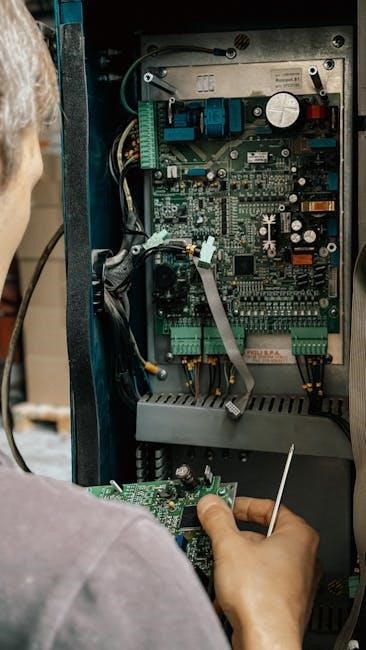
Use a multimeter to test components like sensors and transformers for continuity and voltage; A lack of continuity signifies an open circuit, while incorrect voltage readings point to a power supply issue or a failing component․ Remember safety first – disconnect power before testing electrical parts․
If a component tests as faulty, verify its part number and replace it with a genuine Carrier replacement․ Avoid using generic parts, as they may not be compatible with the Infinity system’s advanced controls․ Proper component replacement is crucial for restoring optimal system performance․
Preventative Maintenance
Regular filter changes and professional HVAC checkups are vital for maintaining your Carrier Infinity system’s efficiency and preventing future troubleshooting needs and costly repairs․
Regular Filter Changes
Maintaining a clean air filter is arguably the most crucial aspect of preventative maintenance for your Carrier Infinity system․ A dirty filter restricts airflow, forcing your HVAC unit to work harder, leading to reduced efficiency and potentially causing component failures․ This increased strain can manifest as error codes and necessitate more complex troubleshooting down the line․
It’s recommended to check your filter monthly and replace it every 1-3 months, depending on factors like pet ownership, air quality, and usage․ Using a high-quality filter appropriate for your system is also important․ Consult your Carrier Infinity thermostat manual or a qualified HVAC technician for the correct filter size and type․ Simple, consistent filter changes can significantly extend the lifespan of your system and minimize the need for troubleshooting․
Professional HVAC System Checkups
While diligent homeowner maintenance is valuable, regular professional HVAC checkups are essential for optimal Carrier Infinity system performance and longevity․ A qualified technician can perform a comprehensive inspection, identifying potential issues before they escalate into costly repairs or system failures․ These checkups include evaluating refrigerant levels, inspecting electrical connections, and calibrating the thermostat for accurate temperature control․
Professional servicing also ensures all components are functioning efficiently, maximizing energy savings․ Technicians possess specialized tools and knowledge to diagnose complex problems and address them effectively․ Scheduling annual or bi-annual checkups, particularly before peak heating and cooling seasons, can prevent unexpected breakdowns and keep your Carrier Infinity system running smoothly, minimizing the need for emergency troubleshooting․