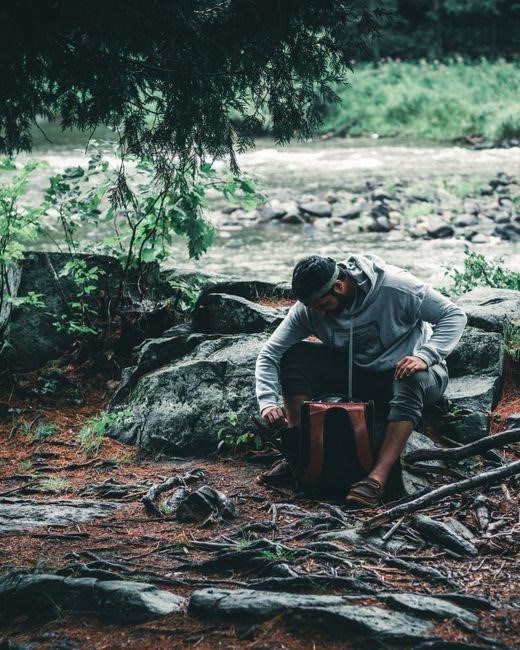
Leave No Trace© offers seven core principles guiding responsible outdoor use.! They help novices and explorers reduce environmental impact by planning, staying on durable surfaces, managing waste, preserving natural features, minimizing fire effects, respecting wildlifeand honoring fellow visitors.

Overview of the 7 Principles
These seven principles—Plan, Travel, Dispose, Leave, Minimize, Respect, Consider—serve as a concise framework for minimizing human impact. They guide planning, trail use, waste handling, habitat protection, fire stewardship, wildlife interaction, and visitor courtesy. They foster stewardship guiding.
Principle 1: Plan Ahead and Prepare
Thoughtful preparation is the first line of defense against environmental harm. A well‑planned trip starts with gathering up‑to‑date weather forecasts, trail conditions, and any required permits or regulations. Knowing the terrain and potential hazards lets you choose the safest, most sustainable route. Packing the right gear—such as a reliable stove, a sturdy water filter, and a first‑aid kit—reduces the need to improvise or leave items behind. The “pack‑in, pack‑out” ethic means bringing enough food and supplies to last the entire excursion and planning to remove all trash, including food scraps, pet waste, and used containers. Planning also involves setting realistic travel times and rest stops to avoid over‑exertion and accidental off‑trail wandering. By mapping your itinerary, you can identify key points for waste disposal, such as designated bear‑bowl locations, and schedule campfire activities only where fires are permitted. A thoughtful plan protects the ecosystem, enhances safety, and lets you enjoy the wilderness responsibly. Consider the impact of group size; smaller groups are easier to manage and less likely to disturb wildlife. Many parks offer downloadable maps and trail guides that highlight sensitive areas to avoid. Integrating these resources into your planning phase creates a roadmap that aligns recreation with conservation. The goal of planning is not just to avoid penalties but to leave the environment in a better state than you found it. A well‑structured plan empowers informed decisions, reduces ecological footprint, and fosters deeper appreciation for the natural world. Remember to carry out all trash and any waste. This habit keeps trails pristine for all visitors the environment and wildlife daily.
Principle 2: Travel and Camp on Durable Surfaces
Respecting the natural ground is a cornerstone of responsible recreation. When you move through an area, stay on established trails, boardwalks, or other durable surfaces such as packed gravel, stone, or compacted soil. This practice protects fragile vegetation, prevents soil erosion, and preserves the natural hydrology of the landscape. If a trail does not exist, choose a path that has already been used by others or that follows the natural contour of the land. Avoid stepping on moss, lichens, or delicate alpine plants that can take decades to recover. When you need to set up camp, select a flat, well‑drained spot that is already disturbed or that can tolerate human use; Use a portable tent floor or a tarp to protect the ground from heavy foot traffic and gear weight. In alpine or tundra environments, consider using a “no‑ground” tent or a lightweight bivy sack that distributes weight over a larger area. If you must camp on a sensitive area, limit the number of people, keep the campsite small, and avoid setting up a fire. Use a stove instead of an open fire whenever possible, and if a fire is necessary, build it in a designated fire ring or use a fire‑proof pit. The goal is to minimize the footprint on the ground, allowing vegetation to recover and soil structure to remain intact. By traveling camping on durable surfaces, you reduce the risk of trail widening, compaction, damage native plant communities. This principle also encourages the use of reusable gear, such as a sturdy tent, a durable sleeping bag, and a reliable stove, which together lessen the need for new materials and reduce waste. Ultimately, staying on durable surfaces preserves the ecosystem for future visitors.
Principle 3: Dispose of Waste Properly
Proper waste disposal protects wildlife, water quality, and ecosystem health. Leave No Trace® recommends packing out all human waste—feces, urine, and food scraps—or using designated facilities. In remote areas, use a two‑bucket system or a sealed waste bag, keeping it out of animal reach. If no restroom exists, dig a cathole at least 6 inches deep, 200 feet from water, trails, and campsites; cover it with soil. Food waste should be packed in airtight containers. All trash—plastic, glass, metal—must be packed out. Reusable containers and utensils reduce disposable waste. When back in civilization, dispose of waste in proper recycling or landfill facilities. Following these practices preserves pristine conditions for future visitors.
Pet waste requires a dedicated bag and should be disposed of in a pet‑specific bin or packed out. Teach children the importance of keeping the environment clean and the responsibility of carrying out what they bring. In larger groups, designate a waste collection point and rotate responsibility to ensure consistency. Some parks provide waste‑collection stations; use them whenever possible. Even small amounts of waste can accumulate over time in high‑traffic areas. Diligently following waste disposal guidelines contributes to long‑term environmental health and upholds the Leave No Trace® stewardship ethos.
Remember that even small amounts of waste can accumulate over time, especially in high‑traffic areas. By following these waste disposal guidelines, you help maintain the beauty and integrity of the places you visit, ensuring future generations can enjoy the same pristine conditions!
Principle 4: Leave What You Find
Leave No Trace® encourages visitors to preserve the natural and cultural heritage of the places they explore. The core idea is to leave every plant, rock, artifact, and trail feature exactly as you found it. This means no picking of wildflowers, no collecting of rocks or shells, and no removal of any natural or historic objects. When you encounter a historic site or a natural feature that has cultural significance, treat it with respect and do not alter its appearance. Even seemingly small actions—such as moving a fallen log or shifting a stone—can have lasting impacts on delicate ecosystems or heritage sites. By leaving what you find, you help maintain the integrity of the landscape for future visitors, scientists, and indigenous communities. It also supports the continuity of ecological processes, allowing plants to grow, animals to use natural shelters, and water to flow unimpeded. When you are unsure whether an object is protected, ask a ranger or consult local regulations. Always err on the side of caution and leave the area untouched. This practice fosters a sense of stewardship and encourages others to respect the environment as well.By consistently applying this principle, you help preserve the natural beauty and ecological balance of the outdoors, ensuring that future travelers can experience the same pristine landscapes and wildlife encounters that you enjoyed today. Your mindful actions create a lasting legacy of stewardship for generations to come.
Principle 5: Minimize Campfire Impacts
Campfires are a beloved part of many outdoor adventures, but they can also inflict lasting damage on fragile ecosystems. Leave No Trace® recommends that campers reduce fire impacts by following a few simple, yet powerful, guidelines. First, use a portable stove whenever possible. A stove eliminates the need for an open fire, keeping soil, vegetation, and wildlife undisturbed. If a fire is necessary, choose a designated fire ring or pit that is already prepared and located on durable ground. Never build a new fire ring or dig a pit in a natural area; this can compact soil, damage root systems, and create long‑term erosion problems. Keep the fire small and contained. A fire that is too large or that escapes its boundaries can spread quickly, especially in dry conditions, and cause severe damage to vegetation and soil structure. Use a fire ring or pit that is at least 12 inches wide and 12 inches deep, and never leave a fire unattended. When the fire is finished, extinguish it thoroughly by pouring water over the embers, stirring the ash, and adding more water until the temperature drops below 140°F. This process ensures that no hot embers remain that could ignite a wildfire. Finally, check local regulations before lighting a fire. Some areas have fire bans or restrictions that are in place to protect the environment and public safety. By following these steps, you can enjoy the warmth and camaraderie of a campfire while safeguarding the natural world for future generations. Remember to follow all local park rules.!!
Principle 6: Respect Wildlife
Wildlife thrives when humans observe from a respectful distance. The Leave No Trace® principle urges campers to keep a safe distance—typically at least 200 feet from larger mammals and 50 feet from birds—to avoid startling or displacing animals. Feeding wildlife is a common mistake that can alter natural behaviors, reduce foraging skills, and increase human‑animal interactions that may lead to dangerous situations. Even small offerings such as bread or peanut butter can create dependency and attract predators. Instead, observe animals in their natural habitat and let them decide when to approach. Use binoculars or a spotting scope to get a closer look without intrusion. When you encounter a bear, remember the “bear‑friendly” guidelines: keep a cool head, avoid sudden movements, and never approach or feed. If you see a bird of prey, give it ample space to fly away. In addition, store food and scented items in bear‑proof containers or hang them from a tree at least 10 feet above the ground and 200 feet away from the campsite. This practice reduces the chance of attracting curious animals. Respecting wildlife also means minimizing noise. Loud music, shouting, or other disturbances can stress animals and disrupt their natural rhythms. Keep noise levels low, especially during dawn and dusk when many species are most active. Finally, follow all local regulations regarding wildlife interactions, and be prepared to report any unusual behavior to park rangers. By treating wildlife with respect, you help preserve the ecological balance and ensure that future visitors can enjoy the same experiences.
When traveling in areas with endangered species, avoid disturbing nesting sites and keep pets leashed. Listen to local guides for specific wildlife advisories. Sharing respectful practices with fellow travelers amplifies conservation efforts, ensuring that these habitats remain resilient and welcoming for future generations. Always remember: every small action contributes to the health of the wilderness—and keep the trail pristine.
Principle 7: Be Considerate of Other Visitors
Respecting fellow travelers is essential to preserving the shared experience of the outdoors. The Leave No Trace® principle encourages visitors to be mindful of others by keeping noise levels low, yielding the trail, and maintaining a respectful distance from wildlife. When sharing a campsite, leave it cleaner than you found it, pack out all trash, and avoid leaving food scraps that could attract animals. If you’re on a trail, move quickly and use the left‑hand rule to give space to hikers and bikers. In group settings, communicate clearly about campsite location, fire use, and waste disposal to prevent misunderstandings. Respecting other visitors also means adhering to local regulations and respecting private property. Avoid lingering in restricted areas and stay on designated paths. When encountering other groups, greet politely, keep conversations brief, and avoid monopolizing shared resources such as fire rings or restrooms. If you notice a fellow traveler struggling with a broken tent or a lost map, offer assistance or direct them to help. By practicing courtesy, you help create a welcoming environment that encourages responsible recreation for all. Remember that the wilderness is a shared resource; treating others with respect ensures that everyone can enjoy the natural beauty without conflict.
By sharing these mindful habits, you help protect fragile ecosystems, foster, and ensure that every visitor can experience the outdoors safely.

Accessing the Leave No Trace PDF
The official Leave No Trace PDF is available for free download on the LNT website. Visit https://lnt.org/downloads to access the 7‑principles guide in PDF format. The file is optimized for print and screen, with clear layouts and multilingual options. Download now for quick use.
Where to Download the PDF
For anyone seeking the Leave No Trace 7‑Principles PDF, the most reliable source is the Leave No Trace organization’s website. Go to https://lnt.org/downloads, locate the “Resources” or “Downloads” section, and click the link labeled “7‑Principles PDF.” The file, named Leave_No_Trace_7_Principles.pdf, is free, requires no registration, and is about 1.2 MB. After downloading, you can open it on any device—desktop, laptop, tablet, or smartphone—using built‑in PDF viewers or third‑party apps. The document is formatted for easy printing, with clear headings, bullet points, and icons that illustrate each principle. It also includes a table of contents and page numbers for quick reference. The PDF is updated annually; check the “Last Updated” date at the bottom of the page. If you encounter issues, the site offers a contact form for support. The PDF supports accessibility features such as selectable text, searchable content, and screen‑reader compatibility. For larger fonts, the document can be zoomed or printed in high resolution. A multilingual version is available in Spanish, French, and German, selectable from the download page. The PDF is licensed under Creative Commons Attribution‑ShareAlike 4.0, allowing educators to share and adapt the material with proper attribution. Downloading the site ensures you receive accurate updated version of Leave No Trace 7‑Principles guide.
By keeping the PDF handy, educators can quickly reference the principles during hikes, share them with students, and incorporate them into lesson plans. The clear layout and concise explanations make it easy to discuss each principle in group settings, fostering a culture of stewardship among participants. Additionally, the PDF’s accessibility features ensure that users with visual impairments can engage with the content, promoting inclusivity in outdoor learning experiences.
Formats and Accessibility Options
The Leave No Trace 7‑Principles PDF is available in several formats to accommodate diverse user needs. The primary PDF is a 1.2 MB file that supports standard PDF readers and can be printed in high resolution. For those who prefer a more lightweight option, a compressed 400 KB version is offered, which retains all text and icons but reduces image resolution. A plain‑text version (TXT) is also available, enabling screen‑reader users to navigate the content linearly. The document is fully accessible: it contains selectable text, searchable keywords, and a logical heading structure that screen‑reader software can interpret. Users can adjust font size, contrast, and background color in most PDF viewers to improve readability. Additionally, the PDF includes an embedded table of contents with clickable links for quick navigation. For educators who need to translate the material, a bilingual PDF is provided in Spanish and French, each with the same layout and accessibility features. The file is licensed under Creative Commons Attribution‑ShareAlike 4.0, allowing redistribution with proper credit. If you encounter any accessibility issues, the Leave No Trace help desk offers support and can provide alternative formats upon request. The PDF also includes a QR code linking to an online interactive map that highlights recommended trailheads and camp sites, ensuring users can quickly find low‑impact options. This feature helps first‑time visitors navigate local regulations and trail etiquette. Users can download a checklist that outlines actions for each principle, making it easier to apply the guidelines during trips or hikes. The checklist is available in PDF printable formats

Using the PDF for Outdoor Education
The PDF serves as a versatile teaching tool, offering clear visuals and step‑by‑step guidance. Educators can embed it in lesson plans, use its checklists for field exercises, and share the downloadable file with students for hands‑on learning.!
Incorporating Principles into Trip Planning
Before setting out, download the Leave No Trace PDF and review each principle. Use the “Plan Ahead” section to check weather, permits, and trail conditions, ensuring you choose a route that stays on durable surfaces. When packing, apply the “Pack It In, Pack It Out” rule by bringing all trash, food scraps, and pet waste in sealed containers. Include a small stove or a designated fire‑pits list to keep campfire impacts minimal. During the trip, monitor wildlife sightings and keep a safe distance, following the “Respect Wildlife” guideline. After the hike, conduct a quick “Leave What You Find” audit: verify that no rocks, plants, or artifacts were moved. Finally, share your experience with fellow hikers, encouraging them to adopt the same low‑impact practices and reinforcing the “Be Considerate of Other Visitors” principle. This systematic approach turns the PDF into a living reference that improves both safety and stewardship for every outdoor adventure.
By integrating the PDF’s concise checklists into pre‑trip meetings, groups can assign responsibilities, ensuring everyone knows where to leave waste, how to set up a fire pit, and what to do if wildlife encounters occur. During the hike, a cue from the PDF’s cue reminds participants to stay on established trails and to avoid trampling vegetation. After returning, debriefing with the PDF’s reflection prompts helps solidify lessons, turning theory into lasting habits for future adventures.!!!
Teaching the Principles to Beginners
When introducing newcomers to Leave No Trace, the PDF serves as a clear, visual guide. Begin by highlighting the seven core ideas—plan, durable surfaces, waste, leave, fire, wildlife, and courtesy—using color‑coded icons from the document. Organize a short workshop where participants match each icon to a real‑world scenario, reinforcing memory through kinesthetic learning. Provide printed handouts of the PDF’s checklist, and have students practice packing a mock backpack, marking items that must be sealed and those that can be left behind. Role‑play a campsite encounter: one student demonstrates a proper fire pit setup while another shows how to dispose of pet waste, citing the PDF’s “Pack It In, Pack It Out” rule. After the activity, facilitate a group discussion on how each principle protects ecosystems and enhances safety. Assign a simple pre‑trip planning exercise, using the PDF’s “Plan Ahead” section to draft a route that stays on durable ground. Conclude with a reflection sheet that asks learners to write one action they will commit to, ensuring the PDF’s lessons translate into tangible, everyday practice. This structured, interactive approach turns abstract guidelines into concrete habits, empowering beginners to become responsible stewards of the outdoors.
By embedding these steps, educators create a plan that reinforces the PDF’s messages. They leave with respect for fragile ecosystems and a commitment to practice Leave No Trace whenever they venture outdoors.

Copyright and Reprint Guidelines
Leave No Trace© reserves all rights to the 7 Principles content. Any reproduction, whether digital or print, must retain the © statement and the standard disclaimer. The PDF may be shared freely for personal use, but any distribution beyond that requires explicit permission. Reprinting the principles in educational materials, brochures, or online posts is allowed only if the original copyright notice remains intact. Alterations—such as changing wording, removing icons, or modifying the layout—are prohibited without prior written approval from Leave No Trace. For large‑scale or commercial use, contact the organization to request a license. The organization also offers a free, downloadable PDF that can be embedded in websites, but the source link must be cited. When using the PDF in classroom settings, teachers should provide the original file to students and encourage them to reference the source. The guidelines emphasize that the principles are a public‑service tool; misuse or unauthorized alteration undermines the mission to protect natural places. Always include the full copyright statement: “© 2026 Leave No Trace, All Rights Reserved.” and follow the organization’s reprint policy. Failure to comply can result in removal of the material and potential legal action. For any doubt, consult the official Leave No Trace website or reach out to their communications office.
Leave No Trace encourages sharing the PDF. but derivative work—such as versions—must be reviewed and approved. The organization verifies that all reproductions meet the stated standards. By following these rules, educators and publishers preserve the integrity of 7 Principles and help keep outdoor spaces pristine.