
Navigating New Jersey’s estate tax requires careful attention to detail, especially considering the state’s unique regulations and filing procedures for estates.
What is the New Jersey Estate Tax?
The New Jersey estate tax is a state-level tax levied on the transfer of a deceased person’s assets. Unlike the federal estate tax, New Jersey maintains its own distinct exemption amount and tax rates. This tax applies to estates exceeding a specific threshold, impacting beneficiaries inheriting property within the state. Understanding this tax is crucial for estate planning and post-mortem administration.
It’s important to note that New Jersey’s estate tax laws have evolved, necessitating awareness of current regulations as of December 31, 2025, to ensure accurate filing and compliance.
Who Must File a New Jersey Estate Tax Return?
Generally, any estate of a New Jersey resident whose gross estate value exceeds the applicable exemption amount must file an estate tax return (NJ-EST-1). This includes all assets owned individually and certain assets held in trust. Non-residents who owned property in New Jersey at the time of death may also be required to file.
Even if the estate’s value is close to the exemption threshold, it’s prudent to assess filing requirements carefully, as specific circumstances can trigger a filing obligation regardless of the final tax liability.
Understanding the Estate Tax Thresholds (as of 12/31/2025)
New Jersey’s estate tax thresholds are subject to change; understanding the current exemption amount is crucial for determining filing obligations and potential tax liabilities.
The Estate Tax Exemption Amount
As of December 31, 2025, New Jersey’s estate tax exemption stands at a significant amount, impacting which estates require filing. This exemption shields a considerable portion of an individual’s assets from estate tax. Determining whether an estate exceeds this threshold is the first step in navigating the estate tax process. Careful calculation of the estate’s gross value, considering all assets, is essential. Estates below the exemption amount generally avoid New Jersey estate tax implications, simplifying the administration process considerably. However, it’s vital to stay updated on any potential changes to this exemption amount, as it can be adjusted periodically by the state legislature.
Impact of Portability on the Exemption
New Jersey allows for estate tax portability, a crucial benefit for married couples. This provision enables the surviving spouse to utilize the deceased spouse’s unused exemption amount, effectively doubling their exemption. Properly claiming portability requires filing a specific form with the New Jersey Division of Taxation within a defined timeframe. Failing to do so could result in losing access to this valuable benefit. Understanding the portability rules is vital for maximizing tax savings and minimizing the estate tax liability for surviving spouses, ensuring efficient estate administration.

Gathering Necessary Information for Filing
Accurate estate tax filing demands meticulous data collection, including asset identification, valuation, and crucial documents like wills and trust agreements for proper reporting.
Identifying Estate Assets
A comprehensive list of all assets owned by the decedent at the time of death is paramount. This includes, but isn’t limited to, real estate, bank accounts, stocks, bonds, mutual funds, retirement accounts (IRAs, 401(k)s), life insurance policies, and personal property. Don’t overlook business interests, partnerships, or any other form of ownership.
Carefully document each asset, noting its type and any associated account numbers or identifying information. Remember to consider assets held jointly with others, as the decedent’s share will be included in the estate. Thoroughness at this stage prevents potential issues during the tax calculation and filing process.
Determining the Value of Assets
Establishing the fair market value of each estate asset is crucial for accurate tax reporting. Generally, use the value as of the date of death. For publicly traded securities, the closing price on that date is typically acceptable. Real estate and other assets may require a formal appraisal from a qualified professional.
Documentation supporting the valuation is essential. Keep appraisal reports, brokerage statements, and any other relevant evidence. Accurate valuation minimizes the risk of audit scrutiny and ensures compliance with New Jersey estate tax regulations. Underreporting asset values can lead to penalties.
Locating Relevant Documents (Wills, Trusts, etc.)
Gathering essential legal documents is the first step in preparing the New Jersey estate tax return; This includes the decedent’s will, any existing trusts (revocable or irrevocable), and related trust agreements. Locate life insurance policies, deeds to real estate, and brokerage account statements.
Bank statements, retirement account documentation, and business ownership records are also vital. A complete collection ensures accurate asset identification and proper application of deductions and exemptions. Securely store these documents for potential audit purposes.

Completing Form NJ-EST-1
Form NJ-EST-1 demands meticulous completion, requiring detailed information about the deceased, their assets, liabilities, and any applicable deductions or exemptions.
Section 1: Decedent and Estate Information
This initial section of Form NJ-EST-1 focuses on establishing fundamental details about the deceased and the estate itself. You must provide the decedent’s full legal name, date and place of death, and Social Security number.
Crucially, include the decedent’s domicile at the time of death, as New Jersey estate tax laws are based on domicile. The estate’s representative information – name, address, and relationship to the decedent – is also required.
Finally, clearly indicate the estate’s mailing address for all official correspondence and specify whether a personal representative has been appointed by the court.
Section 2: Assets and Liabilities
This critical section demands a comprehensive listing of all estate assets and outstanding liabilities. Detail all real estate, stocks, bonds, cash, and personal property, specifying the date of death value for each item.
Include details of any life insurance policies payable to the estate, as well as any retirement accounts.
Simultaneously, list all debts and claims against the estate, such as mortgages, loans, and unpaid bills. Accurate reporting here is vital for determining the net taxable estate value.
Section 3: Deductions and Exemptions
This section allows for reductions to the gross estate, lowering potential tax liability. Claim allowable deductions like funeral expenses, administrative costs (legal and executor fees), and debts legitimately owed by the deceased.
New Jersey permits specific exemptions, potentially including a marital deduction for property passing to a surviving spouse.
Carefully document all deductions and exemptions claimed, as the Division of Taxation may request supporting evidence to validate these reductions to the taxable estate.

Specific Deductions Allowed in New Jersey
New Jersey permits deductions for legitimate expenses, including funeral costs, administrative fees, and outstanding debts of the deceased individual’s estate.
Funeral Expenses
Funeral expenses are a commonly allowed deduction when filing a New Jersey estate tax return. These costs encompass a wide range of services and merchandise directly related to the final arrangements. Acceptable expenses include, but aren’t limited to, burial plot costs, cremation fees, embalming services, and the actual cost of the casket. Documentation is crucial; retain all receipts and invoices from funeral homes and related service providers. Accurate record-keeping ensures a smooth deduction process, minimizing potential scrutiny from the Division of Taxation. Remember to only include reasonable and necessary funeral costs.
Administrative Expenses
Administrative expenses represent legitimate costs incurred while settling the estate, and are deductible on the New Jersey estate tax return. These encompass legal fees paid to estate attorneys for probate and related services, accounting fees for tax preparation, and executor/administrator compensation. Court costs associated with the probate process are also deductible. Meticulous documentation is paramount; retain all invoices and payment records. Ensure these expenses are directly tied to estate administration, not personal matters. Proper substantiation prevents potential disallowance by the New Jersey Division of Taxation.
Debts and Claims
Valid debts and legitimate claims against the estate are deductible, reducing the taxable estate value. This includes outstanding mortgages, credit card debts, medical bills, and loans. Properly documented debts require supporting documentation like loan agreements or invoices. Claims must be legally enforceable and properly filed with the estate. Thorough review is crucial; ensure all debts are valid and substantiated. Disallowed claims may result in penalties. Accurate reporting of debts and claims is essential for calculating the correct New Jersey estate tax liability.
Valuation Methods for Estate Assets
Determining fair market value is critical for estate tax purposes, often requiring appraisals for real estate, businesses, and valuable personal property.
Fair Market Value Determination
Establishing fair market value is paramount when filing a New Jersey estate tax return. This generally signifies the price a willing buyer would pay a willing seller, neither being under compulsion to buy or sell. For publicly traded securities, the closing price on the date of death is typically accepted. However, privately held businesses, real estate, and unique assets necessitate qualified appraisals from certified professionals.
Accurate valuation minimizes disputes with the Division of Taxation and ensures compliance. Documentation supporting the valuation method—such as appraisal reports—must be retained and available upon request. Ignoring proper valuation can lead to penalties and interest assessments.
Appraisal Requirements
New Jersey mandates qualified appraisals for certain estate assets exceeding specific value thresholds. These typically include real estate, closely held business interests, and unique personal property. Appraisers must possess recognized credentials, such as certification from a reputable appraisal organization, demonstrating expertise in the asset’s specific category.
The appraisal report must detail the methodology employed, comparable sales data, and the appraiser’s qualifications. Retaining a qualified appraiser is crucial; the Division of Taxation scrutinizes appraisals closely. Failure to provide a valid appraisal when required can result in disallowed deductions and penalties.
Filing Requirements and Deadlines
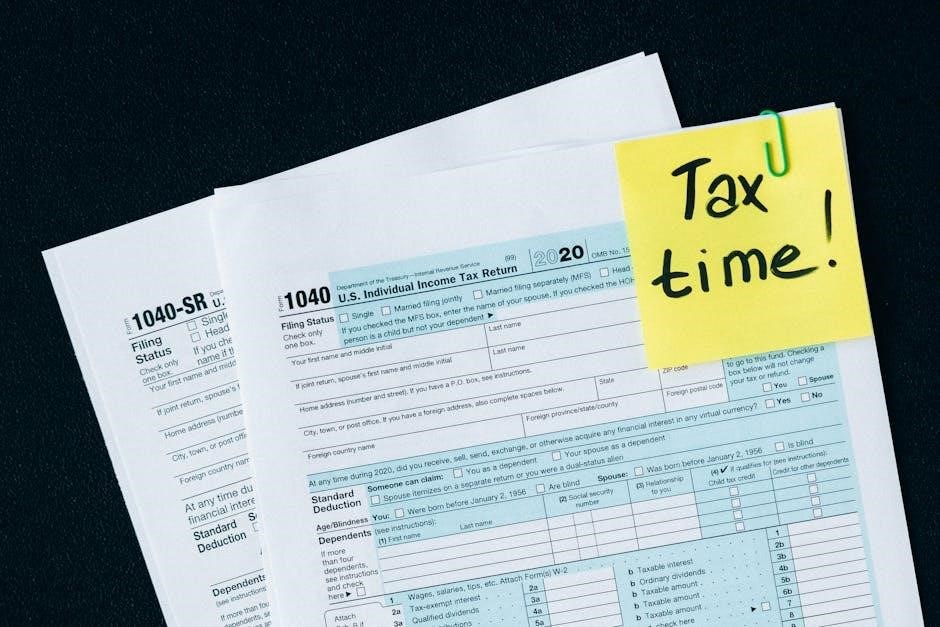
Form NJ-EST-1 must be filed within nine months of the decedent’s death. Extensions are available, but require timely filing of Form NJ-EST-101.
Where to File the Return
The completed NJ-EST-1 form, along with any required supporting documentation and payment, should be mailed to the New Jersey Division of Taxation. Specifically, the address is: New Jersey Division of Taxation, Estate Tax Section, PO Box 308, Trenton, NJ 08625-0308. It’s crucial to ensure the envelope is clearly marked with “Estate Tax Return” and the decedent’s Social Security number. Failure to properly address the return may result in processing delays. Always retain a copy of the filed return and all accompanying documents for your records, as proof of filing and for potential future reference during any audits or inquiries from the Division of Taxation.
Payment Options
New Jersey offers several convenient methods for remitting estate tax payments. You can pay via check or money order, made payable to “State of New Jersey,” and mailed with the NJ-EST-1 form. Electronic Funds Transfer (EFT) is also available, providing a secure and efficient payment option. Direct debit from a checking or savings account is facilitated through the Division of Taxation’s website. Credit card payments are accepted through an authorized third-party vendor, subject to applicable transaction fees. Always include the decedent’s Social Security number and the tax year on your payment to ensure proper credit.
Extension of Time to File
If you require additional time beyond the standard filing deadline, New Jersey permits an automatic six-month extension to file the estate tax return (NJ-EST-1). However, this extension only applies to filing, not to payment of any tax due. Tax payment must still be made by the original due date to avoid penalties and interest. To request an extension, file Form NJ-EST-730, Application for Extension of Time to File Estate Tax Return, before the original filing deadline. Remember, an extension to file is not an extension to pay!

Understanding New Jersey Estate Tax Rates
New Jersey employs a progressive estate tax rate structure, meaning the tax rate increases as the taxable estate value rises, impacting liability.
Progressive Rate Structure
New Jersey’s estate tax doesn’t apply a flat percentage; instead, it utilizes a progressive rate structure. This means the tax rate increases incrementally as the value of the taxable estate grows. Currently, estates exceeding the exemption amount are taxed at rates ranging from 4% to 16%. Lower portions of the estate are taxed at lower rates, while larger portions face higher rates. Understanding these graduated rates is crucial for accurately calculating the total estate tax liability. Taxpayers must carefully assess the estate’s value to determine the applicable rates for each portion, ensuring precise compliance with New Jersey’s estate tax laws.
Calculating the Estate Tax Liability
Determining the New Jersey estate tax liability involves several key steps. First, establish the estate’s gross value, then subtract allowable deductions – like debts, funeral expenses, and administrative costs. This yields the taxable estate. Apply the progressive tax rates to each portion of the taxable estate falling within different brackets. Summing the tax calculated for each bracket provides the total estate tax due. Remember to account for any applicable tax credits, which can reduce the final liability. Accurate record-keeping and careful application of the tax rates are essential for correct calculation.

Tax Credits Available
New Jersey offers credits for taxes paid to other jurisdictions, potentially reducing the estate tax burden. Explore all applicable credits carefully.
Credit for Taxes Paid to Other Jurisdictions
New Jersey allows an estate tax credit for estate or inheritance taxes legally paid to another state or country due to the same property included in the New Jersey estate. This prevents double taxation, ensuring fairness for estates with assets spanning multiple jurisdictions.
To claim this credit, the estate must provide documentation proving the tax was legitimately paid to the other jurisdiction. The credit amount is generally limited to the amount of New Jersey estate tax attributable to that specific property. Careful record-keeping and accurate reporting are crucial for maximizing this potential tax benefit.
Other Potential Credits
Beyond credits for taxes paid elsewhere, New Jersey estates may qualify for limited additional credits. These are less common but can offer valuable tax relief. Thoroughly review all applicable regulations to identify any potential opportunities for reducing the estate tax liability.
Currently, specific credits are limited, and eligibility criteria are strict. Estates should meticulously document all expenses and payments, as some may indirectly contribute to a reduction in taxable estate value. Consulting with a qualified estate attorney or CPA is highly recommended to explore all available credit options.

Common Mistakes to Avoid
Errors in valuation, overlooked deductions, and late filings are frequent issues. Accuracy and timeliness are crucial for a smooth New Jersey estate tax return process.
Incorrect Asset Valuation
A prevalent error involves misstating the fair market value of estate assets. New Jersey requires accurate valuations, often necessitating professional appraisals for items like real estate, businesses, and valuable personal property. Utilizing outdated information or subjective estimates can lead to penalties and increased tax liability. Remember, the Division of Taxation scrutinizes these valuations closely.
Proper documentation supporting the assessed value is essential. Failing to substantiate valuations with credible evidence, such as appraisal reports or broker statements, can trigger audits and adjustments. Always prioritize objective, verifiable data when determining asset worth for estate tax purposes.
Missing Deductions
Overlooking eligible deductions is a common mistake that inflates estate tax liability. New Jersey allows deductions for expenses like funeral costs, administrative fees (legal and executor fees), and outstanding debts of the deceased. Failing to claim these reduces the taxable estate value unnecessarily.
Thorough record-keeping is crucial for substantiating deductions. Maintain receipts, invoices, and other supporting documentation to demonstrate the legitimacy of claimed expenses. Ignoring potential deductions, even seemingly small ones, can significantly increase the final tax bill.
Filing Late
Submitting the NJ-EST-1 return after the deadline incurs penalties and interest charges, increasing the overall tax burden; The standard filing deadline is nine months after the date of death. Procrastination can lead to avoidable financial consequences.
If an extension is needed, file Form NJ-EST-7 promptly to request additional time. However, an extension to file is not an extension to pay any estimated tax due. Late filing penalties can be substantial, so proactive planning is essential.
Resources for Assistance
For guidance, consult the New Jersey Division of Taxation website, or seek professional help from estate attorneys and CPAs specializing in NJ taxes.
New Jersey Division of Taxation Website
The New Jersey Division of Taxation’s website is a crucial resource for all estate tax matters. It provides downloadable forms, including NJ-EST-1, detailed instructions, and frequently asked questions. Taxpayers can find publications explaining the estate tax, exemption amounts, and deduction rules.
Furthermore, the website offers access to relevant tax laws and regulations, ensuring compliance with current legislation as of December 31, 2025. Online tools and resources assist in calculating tax liabilities and understanding filing requirements. Regularly checking the site for updates is highly recommended.
Professional Estate Attorneys
Engaging a qualified New Jersey estate attorney is invaluable for complex estate tax situations. These legal professionals possess in-depth knowledge of state and federal estate tax laws, ensuring accurate return preparation and minimizing potential liabilities.
Attorneys can provide guidance on estate planning strategies, trust administration, and navigating intricate deduction rules. They assist with asset valuation, portability considerations, and representing clients during audits. Their expertise is particularly beneficial for high-net-worth individuals and estates involving business interests.
Certified Public Accountants (CPAs)
Certified Public Accountants (CPAs) specializing in estate taxation offer crucial support during the filing process. They possess expertise in financial accounting, tax law, and estate valuation, ensuring accurate reporting of estate assets and liabilities.
CPAs can assist with preparing Form NJ-EST-1, calculating estate tax liability, and identifying applicable deductions and credits. Their services extend to tax planning strategies, minimizing tax burdens, and representing clients before the New Jersey Division of Taxation.

Special Considerations for Complex Estates
Estates involving trusts, business interests, or multiple assets demand specialized expertise; careful planning and valuation are essential for accurate tax reporting.
Trusts and Estate Planning
When estates incorporate trusts, the New Jersey estate tax return becomes significantly more complex. Understanding the trust’s provisions is crucial, determining whether assets are directly owned by the decedent or held within the trust structure. Assets passing through revocable trusts are generally included in the taxable estate, while irrevocable trusts may have different rules.
Proper estate planning, including the use of various trust types, can minimize estate tax liability. Detailed documentation of trust agreements and asset transfers is vital for accurate reporting and potential tax savings. Consulting with an experienced estate attorney is highly recommended.
Business Interests
Valuing business interests within a New Jersey estate presents unique challenges. Determining fair market value requires professional appraisals, especially for closely held businesses, partnerships, or sole proprietorships. Discounts for lack of marketability and minority interest may be applicable, reducing the taxable value.
Accurate documentation supporting the valuation is essential, including financial statements, operating agreements, and the appraiser’s report. Proper classification of business assets and liabilities is also critical for correct estate tax calculation. Seek expert advice to navigate these complexities.

Recent Changes to New Jersey Estate Tax Law (as of 12/31/2025)
Recent updates involve adjustments to exemption amounts and deduction rules, necessitating a review of estate planning strategies and tax return preparation.
Updates to Exemption Amounts
As of December 31, 2025, New Jersey’s estate tax exemption has undergone significant revisions. Understanding these changes is crucial for accurate tax planning and filing. The exemption amount dictates the value of assets shielded from estate tax. Staying informed about these adjustments ensures compliance and minimizes potential tax liabilities. These updates directly impact which estates require filing a New Jersey estate tax return, and the calculations involved in determining the taxable estate. Careful consideration of these evolving thresholds is paramount for effective estate management.
Amendments to Deduction Rules
Recent changes to New Jersey estate tax law include modifications to allowable deductions. These amendments impact the taxable value of the estate, potentially reducing the overall tax burden. Updates affect deductions for funeral expenses, administrative costs, and outstanding debts. Taxpayers must carefully review the revised rules to ensure they claim all eligible deductions. Accurate application of these rules is vital for minimizing estate tax liability and ensuring compliance with state regulations. Staying current with these changes is essential for effective estate tax planning.